Homemade Recipes & Spices

Showing 25–35 of 35 results

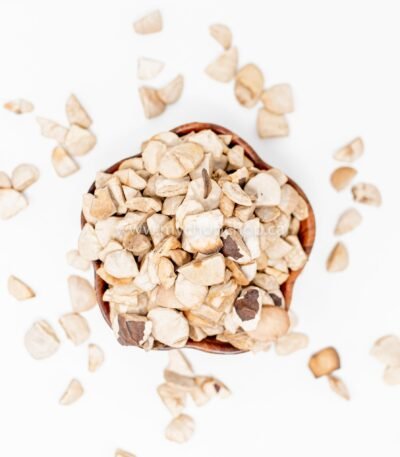
Gbafilo Seeds – Nigerian Pepper Soup Spice (Pack of 5)

$4.98

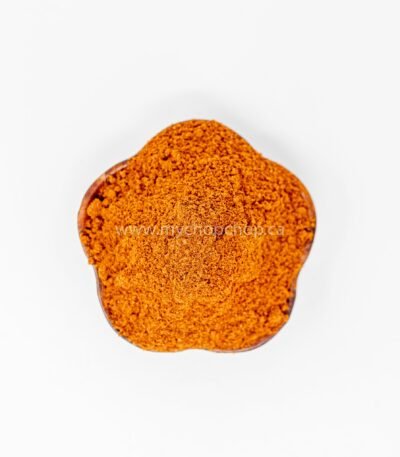
Gbafilo is a spice made from the nut of the Gbafilo pod, removed and ground into a fine seasoning used to flavor Nigerian pepper soup. It’s a lesser-known but traditional soup spice from Nigeria, valued for adding an earthy, aromatic depth to pepper soup broths alongside other spices. This pack contains 5 individually packaged units, giving you enough to season several pots of soup or share with family. Origin: Nigeria.

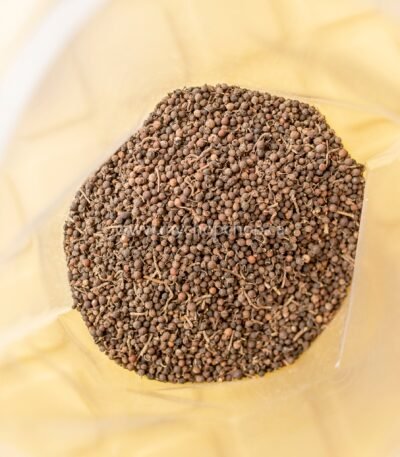
Uziza Seeds (West African Pepper) – Soup Spice – 20g

$3.56

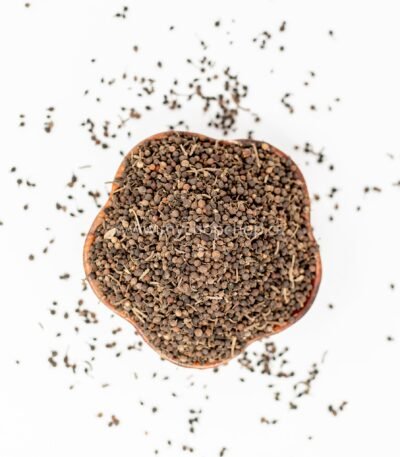
Uziza seeds, also known as West African pepper or Ashanti pepper, come from the Piper guineense plant and are sold here as 20g of whole dried seeds. They are made up of the plant’s dried seeds, which are ground or crushed before use. Uziza seeds are used as a peppery, aromatic spice in Nigerian soups such as pepper soup, ogbono soup, and banga soup. They are well suited for home cooks building a West African spice pantry and anyone seeking an authentic alternative to standard black pepper.

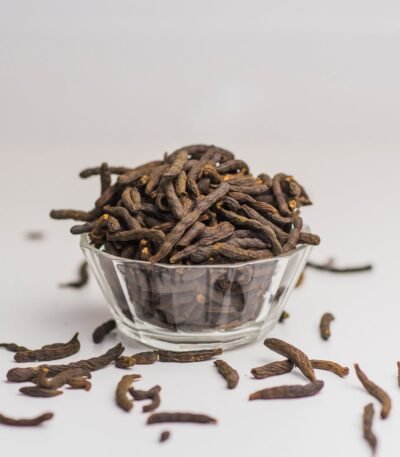
Alligator Pepper (Pack of 4) – West African Grains of Paradise

$4.98

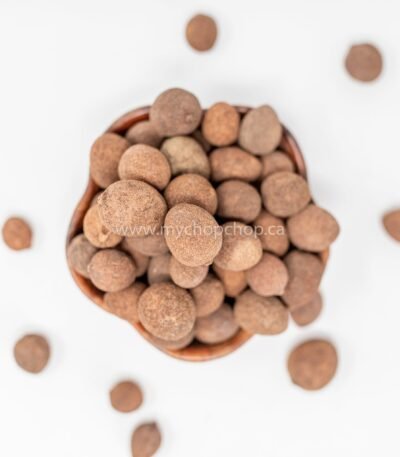
Alligator pepper, also called grains of paradise, is a spice made from the seeds of Aframomum melegueta , a plant related to ginger and cardamom, sold here in a pack of 4. It is made up of dried seed pods with a fiery, peppery taste. Alligator pepper is used sparingly as a flavoring in West African soups and meals, and also holds ceremonial significance in some Nigerian traditions. It is well suited for home cooks seasoning West African dishes and anyone exploring traditional Nigerian spices.

Add to cart

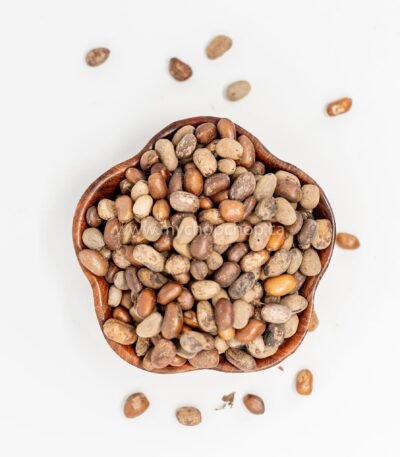
Ofor Seeds

$4.27

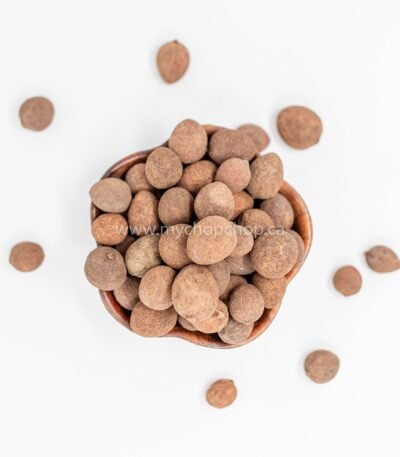
Ofor seeds are grounded and added to soups as a thickener. It can be added to soups like Egusi soup, Oha soup, Ogbono soup e.t.c.

Add to cart

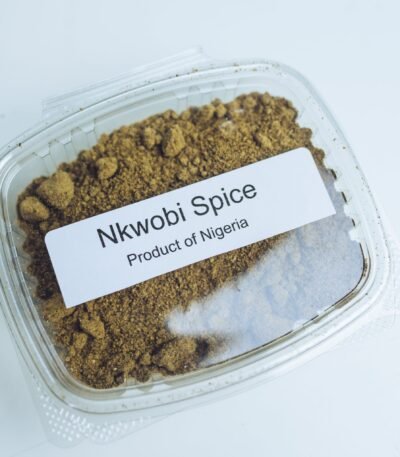
Nkwobi Spice Mix – Ehuru, Ugba, Crayfish & Pepper Blend

$4.27

Nkwobi Spice is a pre-mixed seasoning blend containing Ehuru (calabash nutmeg), Ugba (fermented oil bean seed), crayfish, and dry pepper, the core ingredients needed for Nkwobi, a popular Igbo delicacy made from spiced cow foot in a rich palm oil sauce. This ready-made blend saves the time and effort of sourcing and grinding each ingredient separately, making it easier and faster to prepare authentic Nkwobi at home. It’s a favorite for parties, gatherings, and anyone craving this classic Nigeria

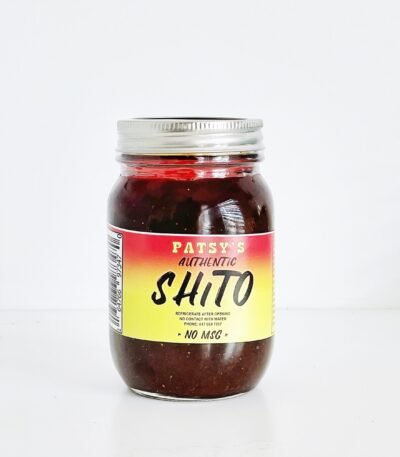
Shito (Hot & Spicy)- 750g

$10.69

Shito is a popular Ghanaian hot chilli condiment that can be used as a side dish or a marinade.

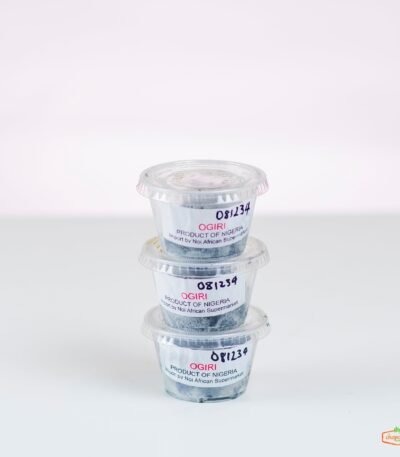
Ogiri

$4.98

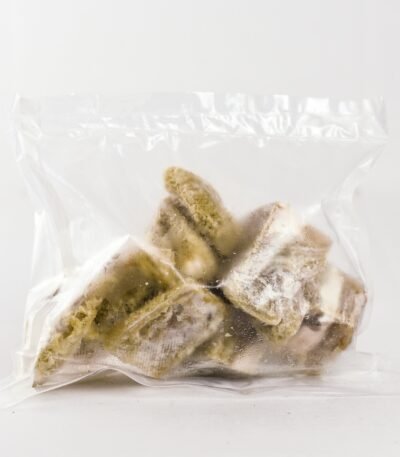
Ogiri is an aromatic seasoning native to Nigeria, West Africa. It is a paste of fermented oil seeds with a very strong pungent smell but lends a richer flavor to soups.

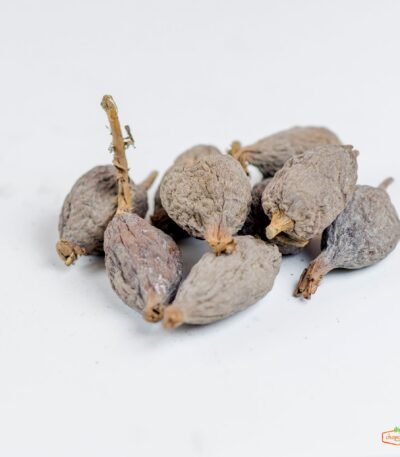
Uda Seeds (Grains of Selim / Negro Pepper) – 10g

$2.13

Uda Seeds, also known as Negro Pepper, Selim Pepper, or Grains of Selim, are a West African spice sold in a 10g pack. They are made up of dried seed pods with an aromatic, peppery flavor. Uda is used as a spice in soups and stews, and is also known internationally by names such as Senegal pepper, kimba pepper, Mohrenpfeffer, kili pepper, and Ethiopian pepper. It is well suited for home cooks seasoning traditional West African dishes and anyone exploring regional spice varieties.

Add to cart

Suya Spice (100g)

$4.27

Suya Pepper contains crushed KuliKuli (Peanuts), ginger powder, African Negro Pepper or Uda, Stock cube and salt

Add to cart

Tripe (Saki) – Cleaned & Pre-Cut Beef Tripe

$4.98

Saki, also known as tripe, is beef stomach lining that’s cleaned, pre-cut, and sold ready to cook, a staple protein in Nigerian and wider West African cooking. It has a chewy, slightly spongy texture that soaks up seasoning well, making it a popular addition to Nigerian pepper soup, Asun-style pepper stew, and party jollof rice pots, where it’s often boiled tender and then fried or grilled before adding to the dish. Saki is prized for its texture rather than a strong flavor of its own, which is

Online Sports Nutrition and Natural Dietetics.

Chances are there wasn't collaboration, communication, and checkpoints, there wasn't a process agreed upon or specified with the granularity required. It's content strategy gone awry right from the start. Forswearing the use of Lorem Ipsum wouldn't have helped, won't help now. It's like saying you're a bad designer, use less bold text, don't use italics in every other paragraph. True enough, but that's not all that it takes to get things back on track.

The villagers are out there with a vengeance to get that Frankenstein

You made all the required mock ups for commissioned layout, got all the approvals, built a tested code base or had them built, you decided on a content management system, got a license for it or adapted:

  • The toppings you may chose for that TV dinner pizza slice when you forgot to shop for foods, the paint you may slap on your face to impress the new boss is your business.
  • But what about your daily bread? Design comps, layouts, wireframes—will your clients accept that you go about things the facile way?
  • Authorities in our business will tell in no uncertain terms that Lorem Ipsum is that huge, huge no no to forswear forever.
  • Not so fast, I'd say, there are some redeeming factors in favor of greeking text, as its use is merely the symptom of a worse problem to take into consideration.
  • Websites in professional use templating systems.
  • Commercial publishing platforms and content management systems ensure that you can show different text, different data using the same template.
  • When it's about controlling hundreds of articles, product pages for web shops, or user profiles in social networks, all of them potentially with different sizes, formats, rules for differing elements things can break, designs agreed upon can have unintended consequences and look much different than expected.

This is quite a problem to solve, but just doing without greeking text won't fix it. Using test items of real content and data in designs will help, but there's no guarantee that every oddity will be found and corrected. Do you want to be sure? Then a prototype or beta site with real content published from the real CMS is needed—but you’re not going that far until you go through an initial design cycle.