

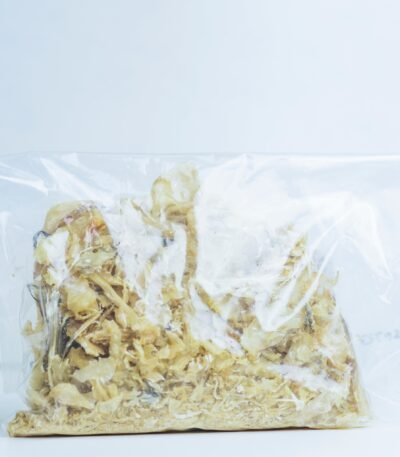
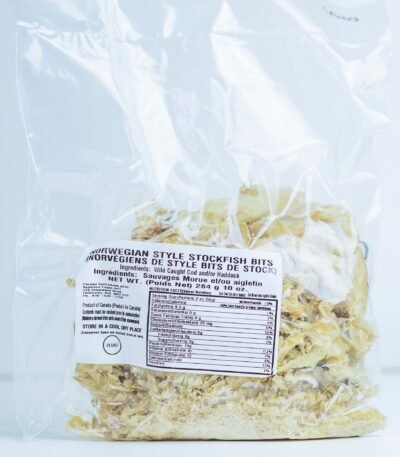
Stock Fish – Bites – 350g
$10.69Stock fish is a mainstay in several West African and Italian recipes. Its added to soups for its incredible flavor.
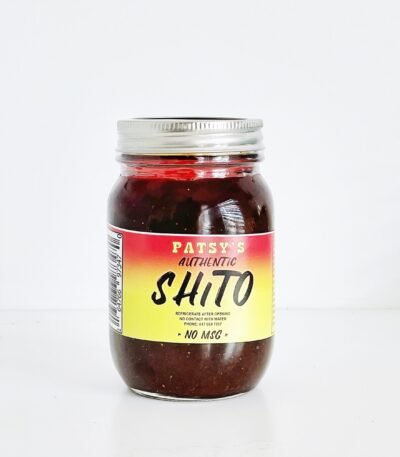
Shito (Hot & Spicy)- 750g
$10.69Shito is a popular Ghanaian hot chilli condiment that can be used as a side dish or a marinade.
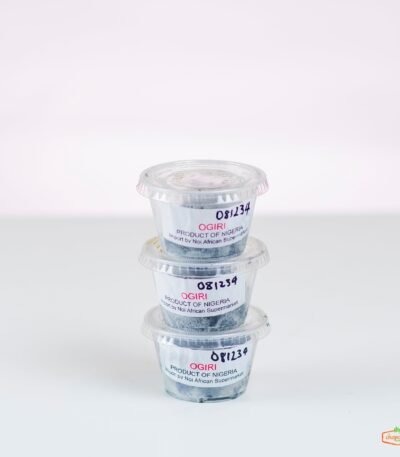
Ogiri
$4.98Ogiri is an aromatic seasoning native to Nigeria, West Africa. It is a paste of fermented oil seeds with a very strong pungent smell but lends a richer flavor to soups.
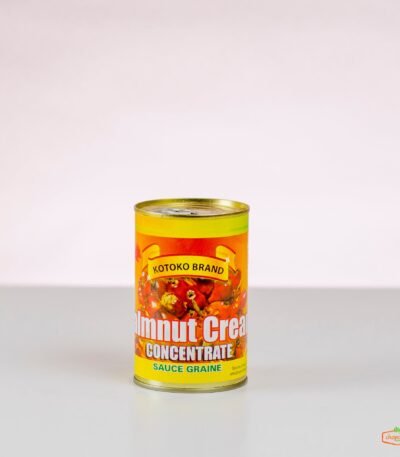
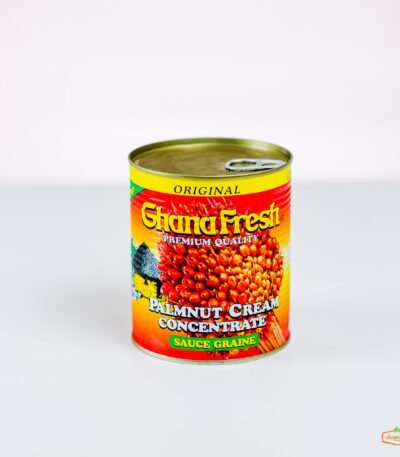
Concentrated Palmnut Cream (Banga) – small
$4.98Palmnut Cream ( Banga) is a soup made from concentrate extracted from Palm fruit (Elaeis guineensis). The palm nut fruit concentrate is used in the preparation of palm nut fruit soup, also called Banga soup, a very popular West African soup, especially in Ghana and Nigeria.
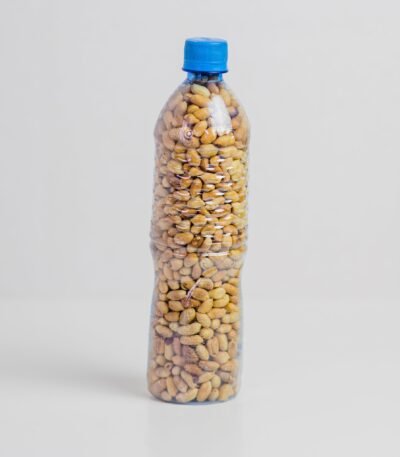
Large Peanuts (Groundnut) – Peeled, Raw Snacking Nuts
$8.55Large Peanuts (Groundnut), also called Epa in Yoruba, are peeled raw peanuts sold for snacking and cooking. They are made up of shelled and peeled peanut kernels ready to use without further preparation. These peanuts are used to make groundnut soup, kunu-geda (groundnut juice), groundnut paste, and roasted peanut snacks. They are well suited for home cooks preparing West African peanut-based dishes and anyone who wants raw peanuts for snacking or grinding.
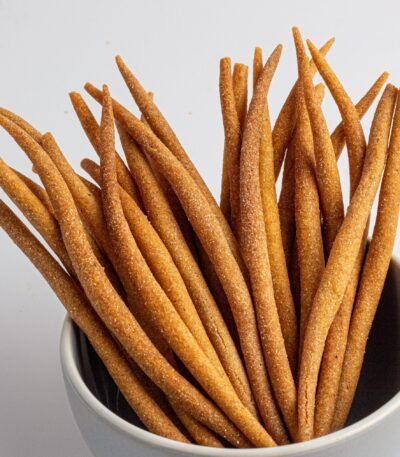
Peanut Snacks (Kuli Kuli) – Roasted Groundnut Sticks – 100g – Sticks
$3.56Kuli Kuli (also called peanut sticks or peanut balls) is a popular Nigerian snack made from dry-roasted peanuts (groundnuts) that are ground into a paste, spiced, shaped, and fried until crunchy. It’s naturally high in protein and has a savory, slightly spicy flavor that makes it a favorite grab-and-go snack across West Africa. Kuli Kuli is often eaten on its own, paired with garri or Abacha (African salad), or crumbled over soups and salads for extra crunch and peanut flavor. This listing is av
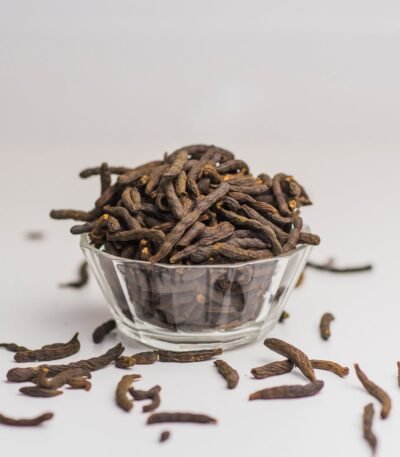
Uda Seeds (Grains of Selim / Negro Pepper) – 10g
$2.13Uda Seeds, also known as Negro Pepper, Selim Pepper, or Grains of Selim, are a West African spice sold in a 10g pack. They are made up of dried seed pods with an aromatic, peppery flavor. Uda is used as a spice in soups and stews, and is also known internationally by names such as Senegal pepper, kimba pepper, Mohrenpfeffer, kili pepper, and Ethiopian pepper. It is well suited for home cooks seasoning traditional West African dishes and anyone exploring regional spice varieties.
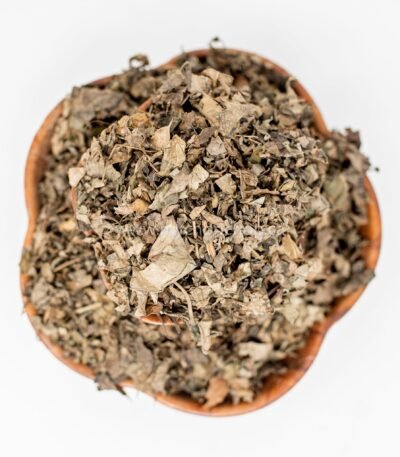
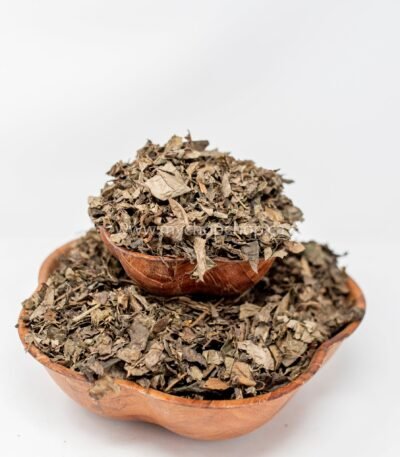
Dried Uziza Leaves (Piper Guineense) – Peppery Soup Herb – 50g
$4.98Uziza is a West African plant whose leaves and berries are both used in cooking, known botanically as Piper guineense. The leaves have a distinctive peppery, slightly bitter taste and are pale green when fresh, drying to a darker shade while retaining their sharp flavor. Dried Uziza leaves are commonly added to soups like Pepper soup, Ofe Owerri, and Bitter leaf soup, as well as used to season Nkwobi and other dishes where a peppery herbal note is desired. It’s a distinct ingredient from Uziza s
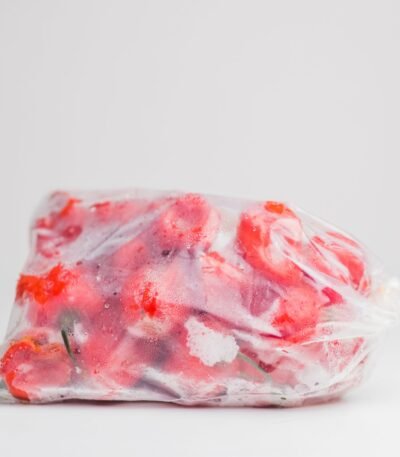
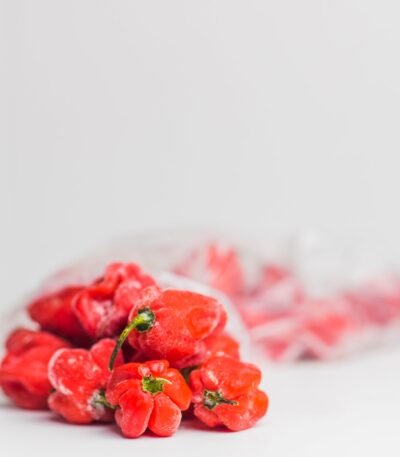
Habanero Peppers – 0.5
$6.41Habanero pepper is commonly used in many African dishes to make the food really spicy.
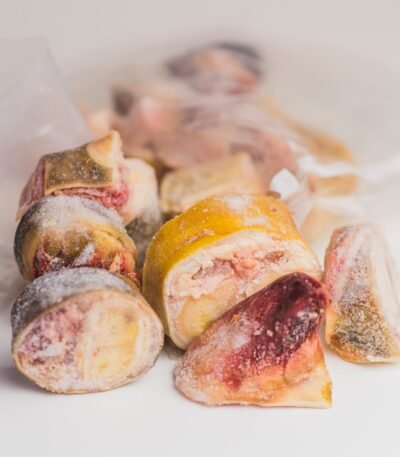
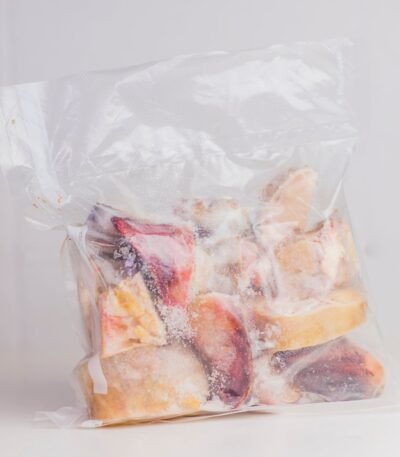
Cow Foot – 3 LB
$10.69Clean cow foot to make your vegetable soup or cow foot stew. Available in packs of 3lbs
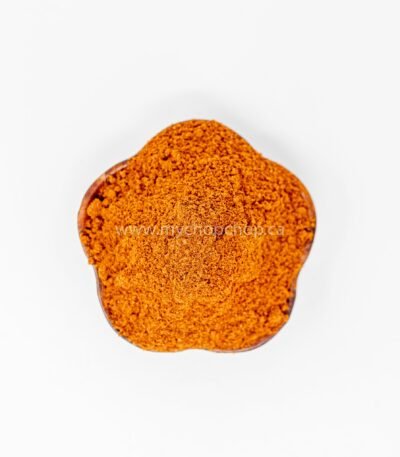
Suya Spice (100g)
$4.27Suya Pepper contains crushed KuliKuli (Peanuts), ginger powder, African Negro Pepper or Uda, Stock cube and salt